
Every superhero has equipment. Batman has his utility belt. Astronauts have spacesuits. Chefs have knives they guard like treasure. And many autistic people have their own everyday toolkit — except it may contain headphones, a favourite hoodie, a fidget toy, or a very specific soft blanket that has achieved legendary status.
These items may not look dramatic, but they can play an important role. They help people manage sensory experiences, stay comfortable, focus, and feel more in control when the world becomes overwhelming.
The idea is simple: everyone has things that help them cope with daily life. Some people need coffee before speaking to other humans. Some people need their lucky pen before an important meeting. Some autistic people need sensory tools that help their brains handle the constant stream of information coming from the world around them.
Headphones: A Quiet Corner in a Very Loud World
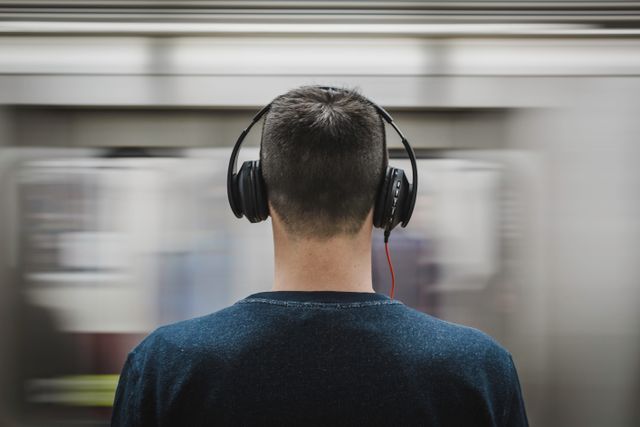
Perhaps the most recognisable autism-related accessory is the humble pair of headphones. They might look like a way to listen to music, but for many autistic people, they serve a completely different purpose.
Noise-cancelling headphones and ear defenders can help reduce overwhelming sounds such as shouting, hand dryers, traffic, crowded rooms, or the endless soundtrack of modern life. A supermarket can already be a sensory adventure: bright lights, shopping carts squeaking, announcements over the speakers, children crying, and someone deciding that this is the perfect moment to have a loud phone conversation in the next aisle.
For someone with sound sensitivity, headphones can create a small pocket of calm. They do not mean the person is ignoring the world. Often, they allow the person to participate in the world more comfortably.
A child wearing headphones in a classroom is not necessarily “not paying attention.” In fact, the headphones may be exactly what allows them to concentrate, learn, and stay engaged.
Fidgets: Tiny Objects With a Big Job
Fidget toys have become popular everywhere, from classrooms to offices, and they are often associated with children. But the idea behind them is much bigger than a colourful spinning gadget. Many autistic people use fidget tools to support self-regulation. A small object to squeeze, twist, roll, or manipulate can provide sensory input that helps with focus, relaxation, or managing emotions.
This connects to the concept of stimming, short for self-stimulatory behaviour. Stimming can include movements such as tapping, rocking, humming, repeating sounds, or using sensory objects. For many autistic people, these behaviours are natural ways of regulating feelings and responding to the world.
A fidget toy is not a magic solution hidden inside a plastic cube (despite what some enthusiastic product advertisements might suggest). It will not suddenly transform a stressful day into a perfect one. But for the right person, at the right moment, it can be a valuable little tool.
Weighted Blankets and Deep Pressure: The Comfort of a Gentle Hug
Some autistic people find deep pressure calming and comforting. This is why items such as weighted blankets, weighted lap pads, compression clothing, and heavy plush toys are often used as sensory supports. The feeling can be similar to a firm hug or the comfort of being wrapped up securely. Many people enjoy this sensation because it helps them feel grounded and relaxed.
However, sensory preferences are incredibly personal. One person may love the feeling of a weighted blanket; another may feel like they are trapped under a very determined pile of laundry. There is no universal autism experience, and the best sensory tool is always the one that works for the individual.
Chewable Jewellery: When Chewing Has a Purpose
Some autistic children and adults seek oral sensory input, meaning they find certain mouth sensations calming or organising. Chewable jewellery and silicone chew tools provide a safer alternative to chewing on clothing, pencils, or other objects that were never designed to become snacks. These tools come in many forms — necklaces, bracelets, and discreet designs that look like everyday accessories rather than specialised equipment.
The key idea is not that every autistic person needs something to chew. It is simply another example of how people find different ways to meet their sensory needs.
Sunglasses, Hats, and Managing Light
Sound is not the only sense that can become overwhelming. Bright lights, reflections, busy visual environments, and certain types of indoor lighting can be uncomfortable for some autistic people. Sunglasses, caps, tinted lenses, or simply choosing quieter lighting environments can help reduce sensory overload.
Wearing sunglasses indoors may sometimes attract curious looks, but comfort does not always follow traditional rules. After all, nobody questions someone wearing a coat because they feel cold — sensory comfort deserves the same understanding.
Clothing: When “Comfortable” Means Something Different
For many people, choosing clothes is mostly about style, colour, or the weather. For autistic people with sensory sensitivities, clothing can involve a whole additional checklist:
Is the fabric itchy?
Are there annoying labels?
Are the seams noticeable?
Does it feel too tight?
Too loose?
Too scratchy?
Too much like wearing a personal attack from a badly designed jumper?
Sensory-friendly clothing, seamless socks, soft fabrics, and tag-free designs can make a significant difference. What looks like a simple clothing preference may actually be an important part of feeling comfortable throughout the day.
Comfort Items: More Than Just Childhood Objects
Many autistic children have favourite toys, blankets, or objects that provide comfort and familiarity. These items are sometimes misunderstood as “attachments” that someone should simply grow out of. In reality, comfort objects can provide predictability in an unpredictable world. They can offer reassurance during stressful situations, help with transitions, or provide a familiar sensory experience. And while they are especially common among children, some adults also have objects, routines, or sensory tools that help them feel balanced. Being an adult does not magically remove the need for comfort — most people have something that makes their day better. Some people have a favourite mug; others have a favourite blanket. Both are perfectly reasonable.
Final Thought
A pocket is a small space, but it can hold a surprising amount. A set of keys. A phone. A piece of fabric. A familiar object. A reminder of home.
For some people, the things they carry are not just belongings; they are anchors. Quiet companions that help create a sense of balance in a world full of movement and noise.
Perhaps we have underestimated ordinary objects. Perhaps they have always been doing more for us than we realised.
They carry extraordinary meanings. They become part of someone’s personal language — a way of negotiating with the world, of finding rhythm in noise, of creating a moment of calm. That is the true story of sensory tools: not the objects themselves, but the relationship between a person and the world they are trying to inhabit.

Leave a Reply
You must be logged in to post a comment.